
Real-Time Seaport Berth Scheduling and Coordination with NetSuite + Harbour Mastery
By: Rich Uphus | September 9, 2025
Reviewed and updated July 2026
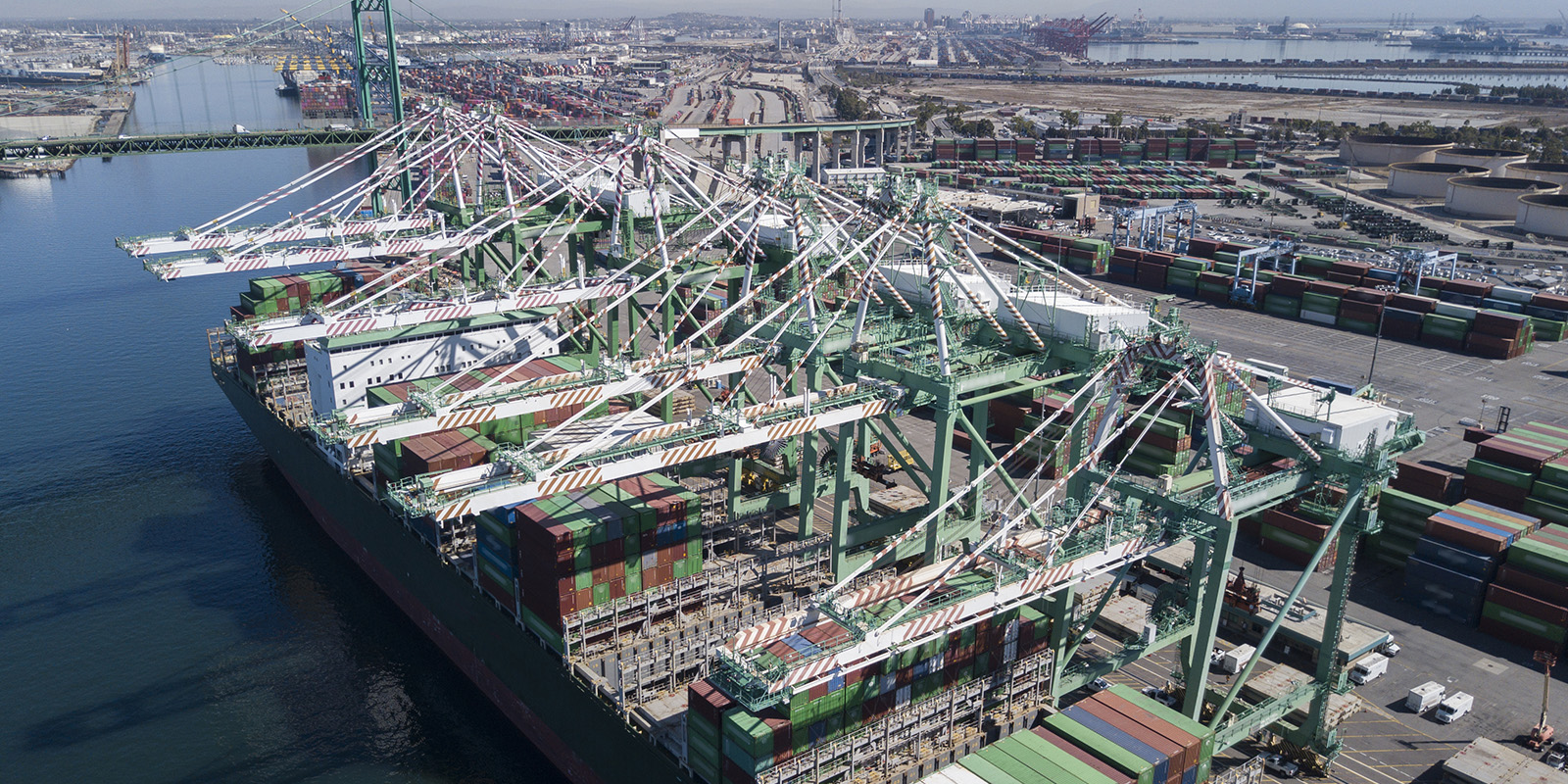
What is real-time berth scheduling? Real-time berth scheduling is the continuous assignment of vessels to berths using live arrival, cargo, and terminal-capacity data instead of a static calendar. In a system such as i-Seaports for NetSuite, vessel scheduling and billing run in one system, so a schedule change carries through to its charges without re-keying.
How Cloud ERP Is Changing Seaport Berth Scheduling
ARTICLE - The global shipping industry continues to serve as the backbone of international trade, carrying over 80% of world trade by volume, according to UNCTAD's Review of Maritime Transport 2024. As maritime volumes grow and consumer demands intensify, seaports worldwide face mounting pressure to streamline operations and minimize delays.
During 2025, real-time seaport berth scheduling and coordination will be critical as efficient use of limited terminal space becomes a non-negotiable priority for port operators everywhere. The stakes are high: prolonged vessel wait times lead to higher demurrage and detention fees, disrupt global supply chains, and undercut profits. Fortunately, advances in Cloud ERP technology, exemplified by platforms like i-Seaports for NetSuite from Harbour Mastery, are ushering in a new era of streamlined, data-driven port management.
The High Cost of Vessel Delays
In recent years, port congestion has reached historic levels. In January 2022, data from the Marine Exchange of Southern California indicated that over 100 vessels at a time were anchored off the Ports of Los Angeles and Long Beach, waiting to unload cargo. These backlogs ripple across the supply chain, extending shipping times and inflating costs. Demurrage and detention fees (often ranging from USD 50 to USD 200 per container per day, depending on the port and carrier) can quickly skyrocket, especially when unforeseen delays compound. Drewry, a leading maritime research consultancy, notes that in some major ports, such fees have climbed dramatically as terminal congestion has worsened 3. These penalties for shipping lines and port operators introduce significant financial strain and can erode profitability.
Moreover, unpredictability in vessel arrivals, caused by anything from weather disruptions to labor shortages, further challenges port managers. Without real-time data and dynamic scheduling tools, ports often rely on manual processes that cannot keep pace with shifting demands. Inefficiencies not only undermine productivity but also damage the reputations of both the ports and their shipping partners.
Why Real-Time Seaport Berth Scheduling is a Top Priority
-
- Increasing Port Congestion: As more mega-ships (vessels with capacities of 20,000 TEUs or more) join global trade routes, managing terminal space well has never been more urgent. Any slip in berth allocation can create a domino effect, delaying other ships and stranding cargo.
- Unpredictability in Vessel Arrivals: Weather events, mechanical failures, and global disruptions, like the pandemic-induced container backlog, underscore the need for adaptive scheduling. Ports can no longer rely on static calendars.
- Soaring Costs of Delays: Prolonged turnaround times incur enormous direct costs in demurrage and detention fees, while indirect costs accumulate in lost revenue, cargo spoilage, and eroded customer trust.
Against this backdrop, the urgency for dynamic, automated seaport berth scheduling is high. Ports that lag in adopting real-time solutions risk falling behind competitors, jeopardizing their position in an increasingly crowded marketplace.
The Game Changer: Cloud ERP
Enter Enterprise Resource Planning (ERP) systems, built on the cloud to deliver real-time visibility, analytics, and automation. Cloud ERP platforms integrate various facets of port operations, from seaport berth scheduling and container tracking to billing and finance. By merging disparate data streams, these systems enable port authorities, shipping lines, and terminal operators to work off a unified, consistently updated information set.
Key Benefits of a Cloud ERP solution include:
-
- Scalability: As cargo volumes fluctuate, cloud-based systems can adapt quickly to increased demands without expensive infrastructure overhauls.
- Real-Time Data Visibility: Instead of waiting for manual updates, stakeholders can access current metrics on vessel positions, cargo volumes, and estimated times of arrival (ETAs).
- Automation and Alerts: Predefined triggers can automatically assign berths based on vessel size, cargo type, and available crane capacity. Alerting systems notify relevant parties (agents, terminal operators, and logistics teams) whenever schedules change or disruptions occur.
- Cost Control: Centralized data management helps highlight inefficiencies and reduce redundancy, all while providing detailed analytics to inform strategic decision-making.
Why i-Seaports for NetSuite is the Answer
Harbour Mastery's i-Seaports for NetSuite platform exemplifies how a specialized Cloud ERP system can modernize port operations. Built on a foundation of real-time data capture and advanced analytics, i-Seaports delivers:
-
- Automated Berth Assignments: Using predictive algorithms, i-Seaports improves berth allocation to minimize vessel waiting times. The platform continuously adjusts allocations in response to changes in ship schedules or port conditions, ensuring maximum terminal efficiency.
- Automated Notifications: Real-time updates are automatically pushed to key stakeholders, from port agents and berth planners to trucking companies and logistics teams. This immediate communication loop reduces manual coordination and helps avert cascading delays.
- Enhanced Coordination: i-Seaports centralizes crucial data such as vessel arrival times, cargo details, and environmental constraints, allowing all parties to operate on the same page. This integrated approach breaks the siloed nature of traditional port management and fosters greater transparency.
"In today's highly competitive and rapidly evolving maritime industry, real-time data analytics and automated coordination are essential," says George Walters, CEO of Harbour Mastery. "i-Seaports uses Cloud ERP to give ports and terminals the tools they need to adapt swiftly and keep operations running smoothly."
Looking at 2025
As ports grapple with surging container volumes, stricter environmental regulations, and heightened customer expectations, real-time berth scheduling becomes not just beneficial but indispensable. The growing emphasis on digitalization, fueled by 5G connectivity, IoT sensors, and AI-driven analytics, further highlights the central role of Cloud ERP in orchestrating complex, fast-moving port activities.
Those who adopt and refine these technologies will stand out in performance, resilience, and profitability. Conversely, ports relying on outdated systems risk compounding congestion and costs, ultimately losing business to more tech-forward competitors.
NetSuite + Harbour Mastery: Modernizing Seaport Berth Scheduling and Port Management
For ports and terminals seeking a comprehensive answer to mounting congestion challenges, this partnership provides an all-in-one platform, with Harbour Mastery's maritime applications built inside Oracle NetSuite, merging financials, operations, and predictive analytics. NetSuite's proven Cloud ERP infrastructure underpins Harbour Mastery's deep maritime expertise, delivering:
-
- End-to-End Visibility: Integrate berth scheduling, cargo handling, asset management, and finance for real-time insights into every operational facet.
- Advanced Analytics: Data-driven dashboards reveal potential bottlenecks, cost overruns, and areas for improvement.
- Adaptive Scalability: As cargo volumes ebb and flow, resources and processes can quickly scale without investing in expensive on-premises hardware.
- Efficient Collaboration: Unified access to operational and financial data means fewer errors, streamlined workflows, and consistent inter-departmental communication.
By combining NetSuite's core capabilities with Harbour Mastery's i-Seaports platform, port operators can finally manage seaport berth scheduling and coordination in real time, cutting wait times, reducing demurrage, and maximizing profitability in a dynamic world.
Frequently Asked Questions
What does berth scheduling software do?
Berth scheduling software assigns vessels to berths using arrival times, vessel dimensions, cargo type, and terminal capacity, and updates those assignments as conditions change. Ports use it to replace static calendars and manual spreadsheets, so a delayed arrival or a weather disruption reworks the schedule instead of stranding cargo and compounding demurrage fees.
How does berth scheduling connect to billing?
In i-Seaports for NetSuite, vessel scheduling and financial billing run in one system, so vessel call data does not have to be re-keyed into a separate accounting system. The Port of Galveston reports that a single point of data entry for managing vessel calls and cargo services, flowing through to financial processing, saves the port time and expense.
Which ports run vessel scheduling and billing in i-Seaports?
Port Tampa Bay and the Port of Galveston both run vessel operations and billing on i-Seaports. Kenneth L Washington, CIO and VP of Port Tampa Bay, says the system "has enabled us to put together all the pieces" and credits Harbour Mastery with "managing very complex vessel scheduling and financial billing and accounting."
Sources:
-
- United Nations Conference on Trade and Development (UNCTAD): https://unctad.org/publication/review-maritime-transport-2024
- Marine Exchange of Southern California: https://www.mxsocal.org
- Drewry Maritime Research: https://www.drewry.co.uk/maritime-research
- Harbour Mastery: https://harbourmastery.com